 HUN-REN Biological Research Centre, Szeged


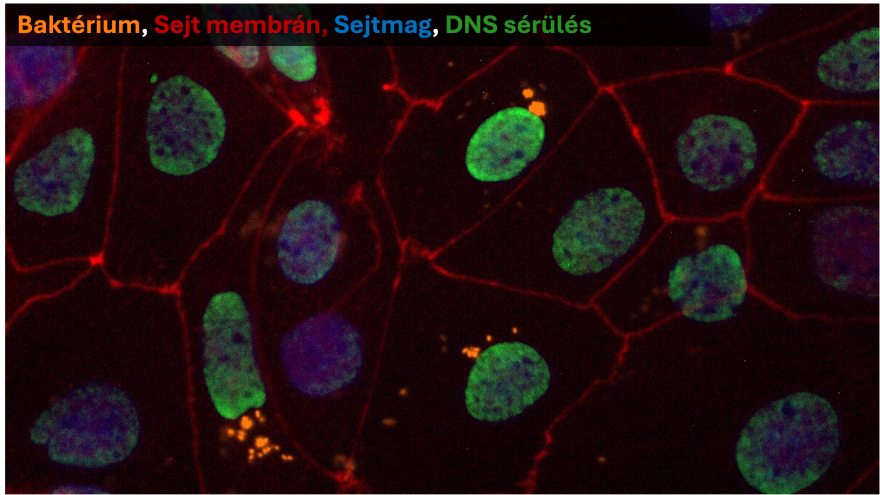
Researchers in Szeged have developed MALVINA, a machine learning-based method that shows, cell by cell, how bacteria invade human cells, cause DNA damage, and change their behaviour in the presence of other bacteria or drugs. The method could help identify high-risk bacterial strains and support the development of therapies that not only kill pathogens, but also make them less harmful.
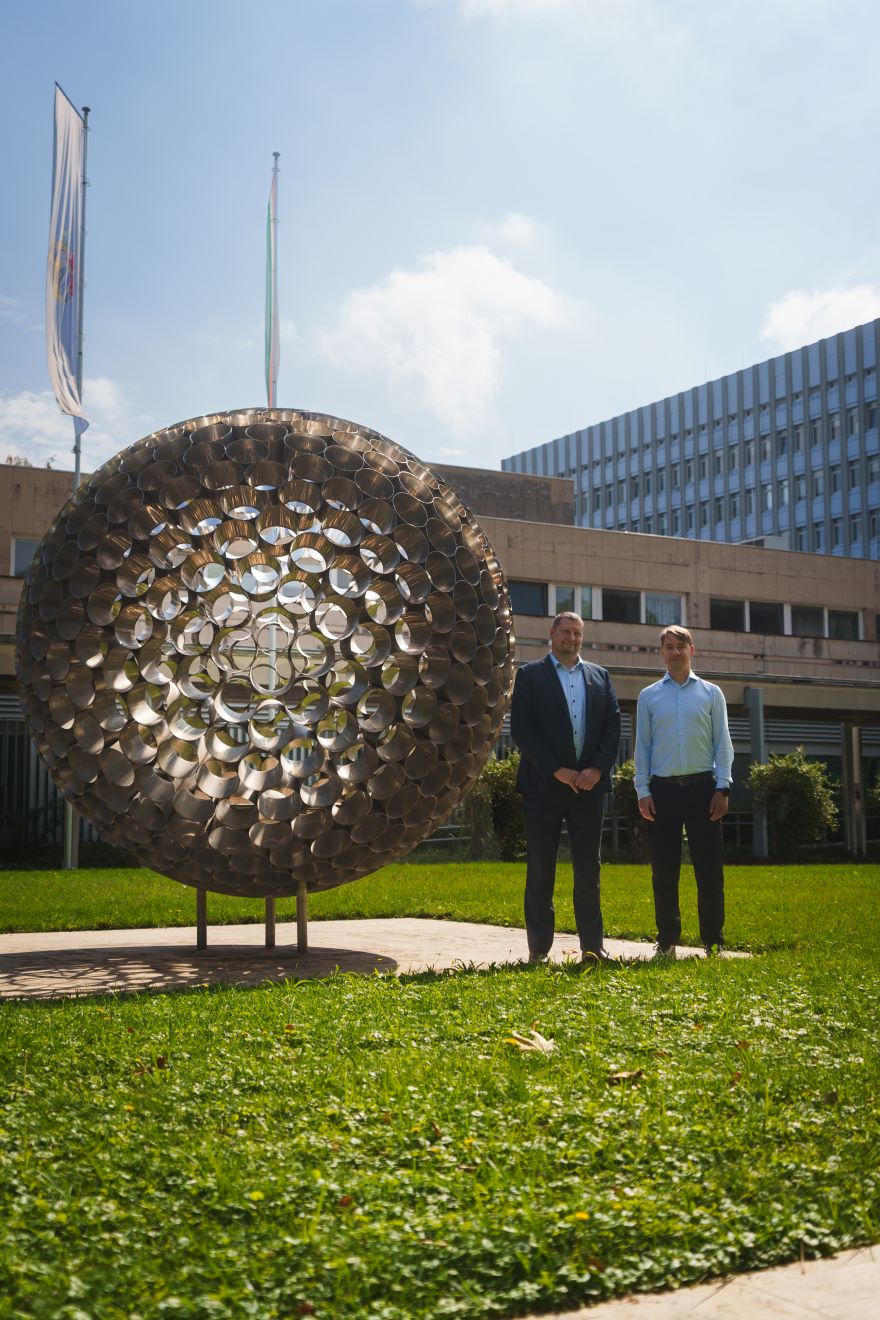
Ákos Diósdi and Péter Horváth, researchers at the HUN-REN Biological Research Centre in Szeged, have co-authored an article with Fabian J. Theis in Nature Reviews Molecular Cell Biology, but it does not present a new experimental finding. Its scope is far broader: they have set out a strategic direction for the future of research on artificial tissue-like models, giving the international research community a roadmap that could shape the development of the field for years to come.

Gene-editing technologies could usher in a new era of plant breeding, allowing researchers to modify specific traits in crops in a targeted manner and much more rapidly than with conventional breeding. These methods offer new opportunities to develop varieties that are more resistant to disease and extreme weather and require fewer plant protection products. Yet gene editing remains surrounded by misconceptions and is frequently conflated with conventional GM technology. We spoke to research biologists Péter Kaló, János Györgyey, László Nagy, László Szabados and Szilvia Zita Tóth of the HUN-REN Biological Research Centre, Szeged about how gene editing differs from conventional GM technology, the misconceptions surrounding it and how it could shape the future of agriculture.
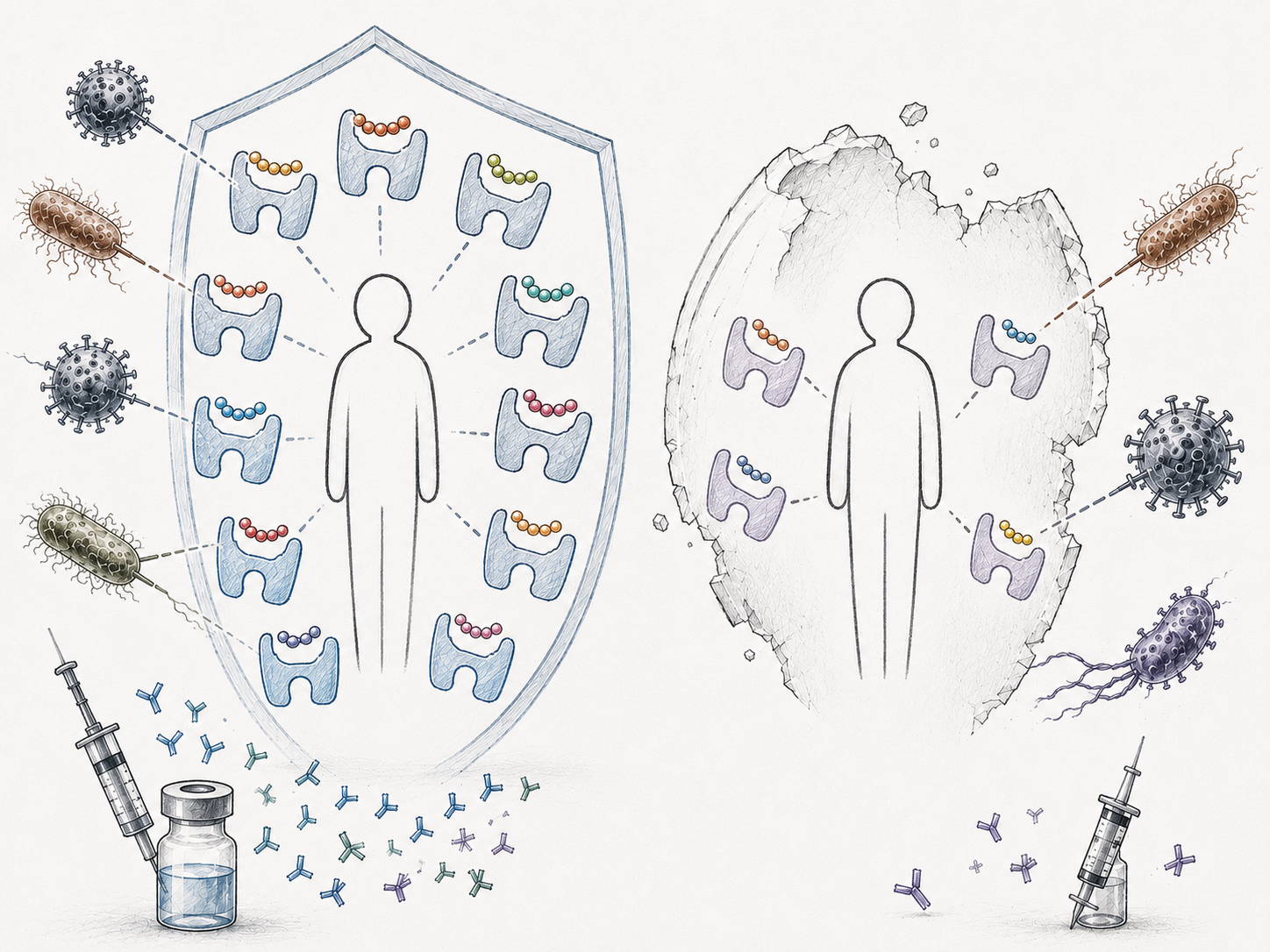
Why does the same infection cause only mild symptoms in one person, but more serious disease in another? A new study led by the HUN-REN BRC Szeged Momentum Systems Immunology Research Group, together with several international collaborators, suggests that part of the answer lies in how broadly the immune system can present fragments of pathogens to its own immune cells.
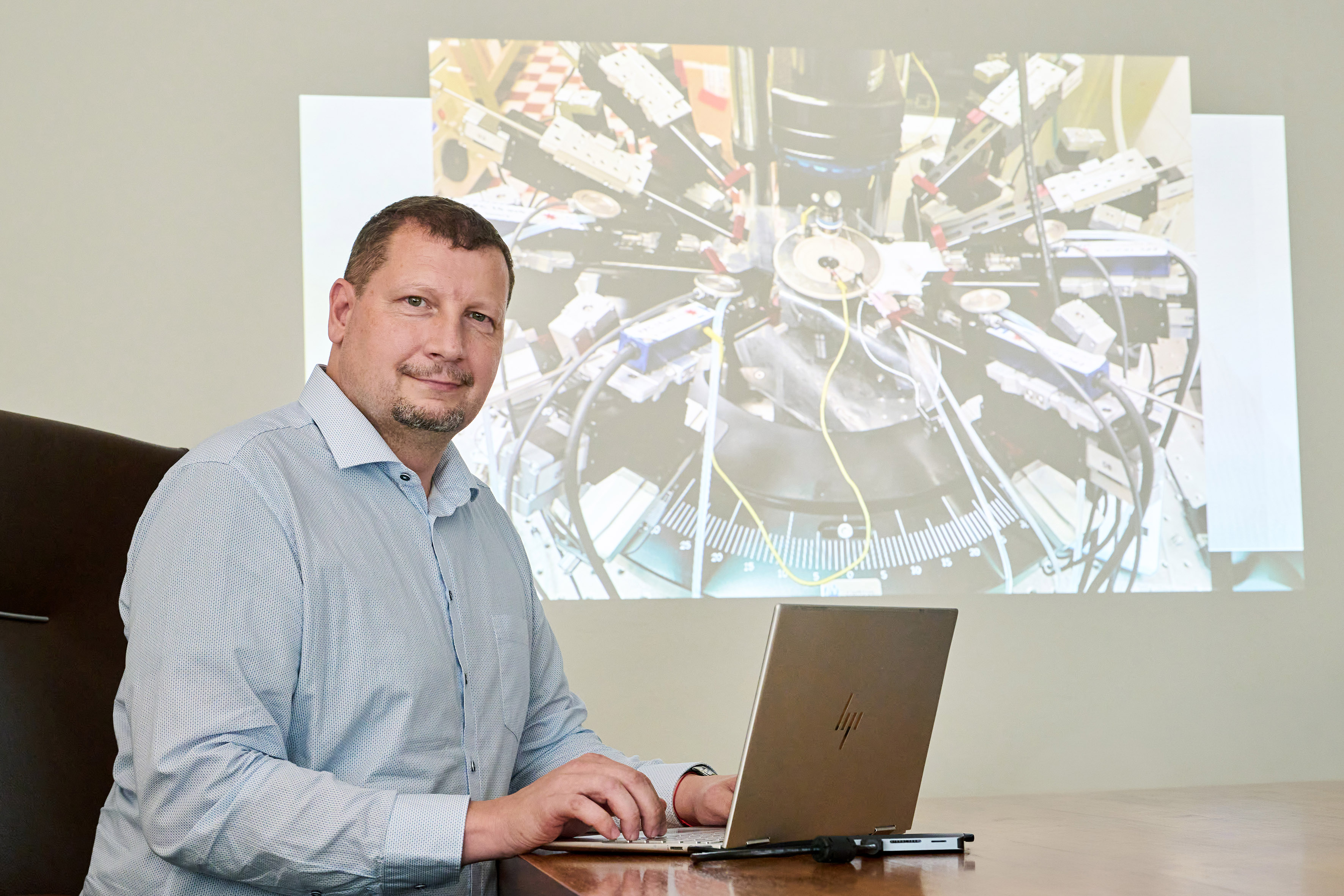
A cancerous tumor is not a single enemy. It is made up of many different cell populations that can behave in very different ways. Among them, even at the time of diagnosis, there may already be cells that months or years later could give rise to metastases or become resistant to treatment. The challenge is that these critical cell populations are extremely difficult to detect in time. Researchers in Szeged, working together with Swiss and Swedish partners, have achieved an important breakthrough in this field.

Researchers studying extracellular vesicles at the HUN-REN Biological Research Centre, Szeged (HUN-REN BRC Szeged) are participating in the international Challenge Programme launched by the Novo Nordisk Foundation. The programme investigates the role of tiny vesicles released by pathogenic fungi during invasive infections. On behalf of HUN-REN BRC Szeged, Krisztina Buzás’s research group will contribute primarily through the analysis and interpretation of large-scale molecular datasets. The six-year consortium is led by Attila Gácser, professor at the University of Szeged.
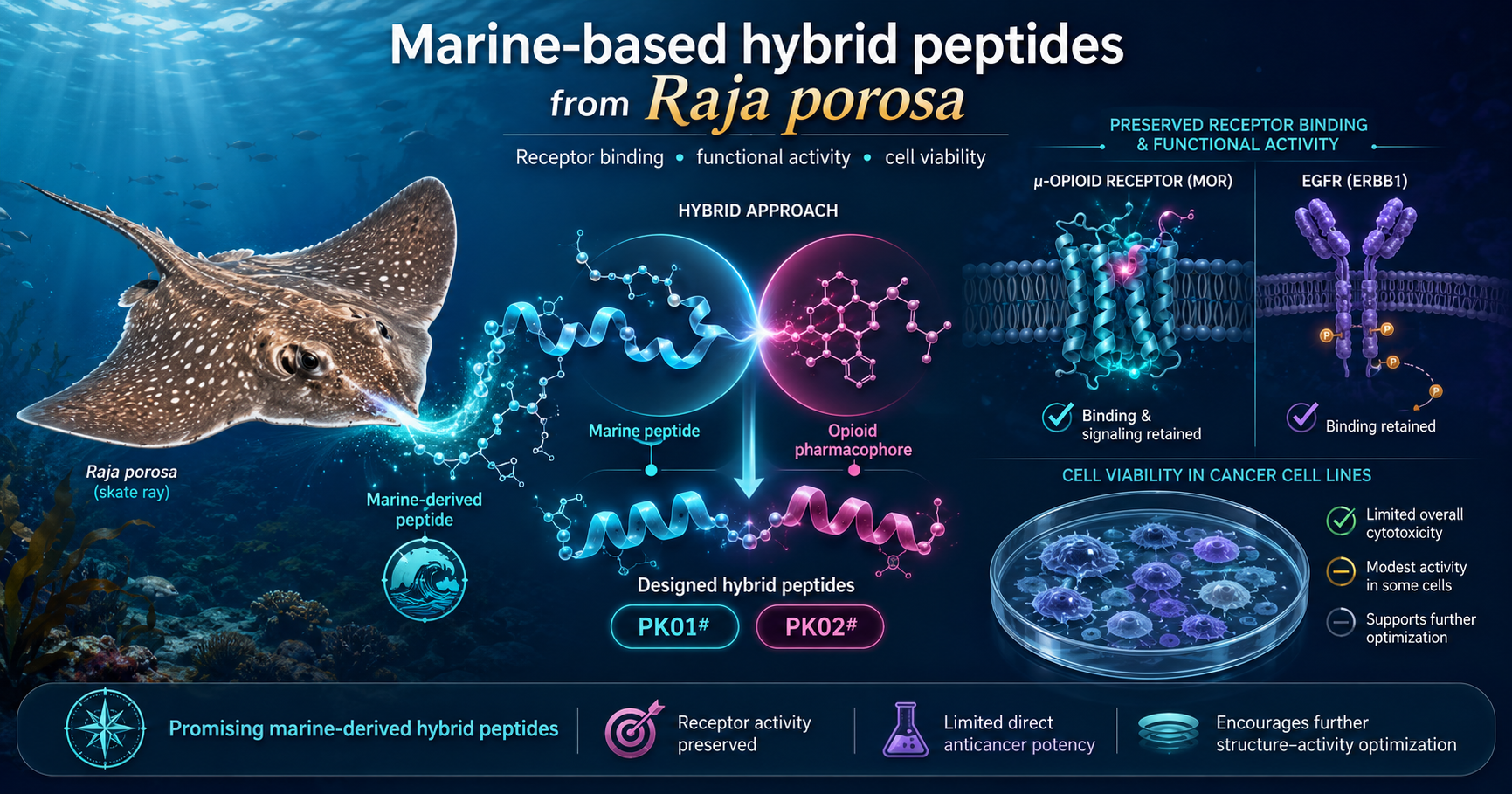
Marine life hides not only unusual shapes and colours, but also tiny molecules that may offer new ideas for drug discovery. Szeged researchers took part in a recent international study in which scientists designed new hybrid molecules based on ray-derived peptides and examined how these molecules behave in cells and in different molecular interactions.